The Baltimore Sikh Society (2012-2014)
As I was circling my church property late at night, praying, I would see the Sikh priest (who lived in the Gurwara) outside on his cell phone. We would look at each other, but there was never any cordial response by either of us. A couple months into the prayer work, I was taking things out to my car at around midnight. Again, I made eye contact with the priest. Before ministry I was a professional closer and learned the skill of mirroring. So, we stood still, looking at each other. He was on his cell phone. He waived, so I waved. He started walking toward our “border,” so I started walking toward our “border.” He put his cell phone away and we prepared for engagement.
Before I get into what happened at the “Border” please allow me to explain why I refer to our property line as the border. A border is where nations and people groups are separated for many reasons: political, religious, ethnic, racial, etc. Borders are where hostilities can be provoked and wars can begin. However, peace treatise can also be established at a border.
There we stood, about two feet from each other, looking each other in the face at midnight; one on his property and the other on his. I wasn’t going to say a word because he initiated the engagement and I wanted to see where this thing was going to go. I didn’t even know if he spoke English. After staring into each other’s eyes for a moment the Sikh priest began his discourse in broken English. He said something like this; “We are Sikh. We are not Muslim. We believe in one god and the good.” After I knew he was done, I responded (because of the previous ministries and “Christians” from that location) “I am sorry for how you have been treated by my people in the past. Our book tells us to ‘love your neighbor as you love yourself.’ So we want to love you and be your neighbor.” He looked at me for a moment and one corner of his mouth formed a smile, so one corner of mine did the same. He extended his arm and I met him in a handshake. He turned around and went back to his temple and I turned and returned inside my church – where I started jumping up and down, silently because I didn’t want him to hear me. A relationship was established and the beginning of a temporary ceasefire had been established.
I believe our meeting that night would have been enough for my new Sikh priest friend, but Jesus had more instore. My church was not all in favor of what Jesus called me to do and many stood in opposition, but my friend and I now spoke almost every night. I began by removing the “Do Not Park” sign which reflected punishment by fine. I then invited is congregation to use our parking lot on Sunday afternoons (they had more congregants than we did). We weren’t there anyway and this gesture displayed our hospitality.
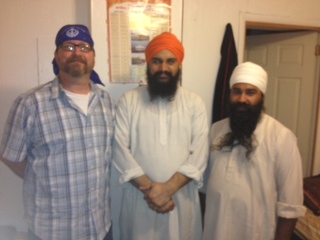
Some women began taking food over to them during the week. We found out later that their diet is set in their religion and they couldn’t have eaten everything we delivered…but they took it anyway. Their trustees invited me for lunch (just me). I rode with them as they took me to Darbar on Aliceanna Street, South Baltimore. I had a wonderful Indian meal while they fired questions in English, followed by discussion in their native language. I was being questioned to see if they could trust me and that was cool. They asked questions about me personally, my family, my religion, all the way to American politics. I was safe to stay neutral. They didn’t like the fact that I am a combat veteran, as they explained that their view of American/Western military action is colonial in its efforts. Overall the lunch went great, now the relationship was with the priest and the trustees of the temple.
The priest was going through the process of Naturalization while his wife and two kids still lived in Punjabi. He’s still the Priest at The Baltimore Sikh Society today (2020). Paramjit told me he didn’t make much money being a priest and had to subsidize his income by being a cab driver. I expressed how I wanted SO MUCH to go cabbing with him. We went all over Baltimore and ran into remarkable situations, became good friends and I was able to mildly share the Gospel through our interaction. The Sikh religion is very resilient and they are taught to be extremely resistant to evangelism by outside religions.
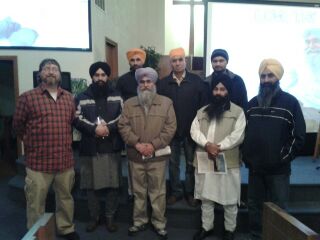
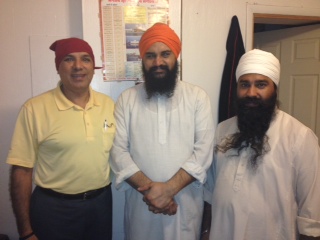
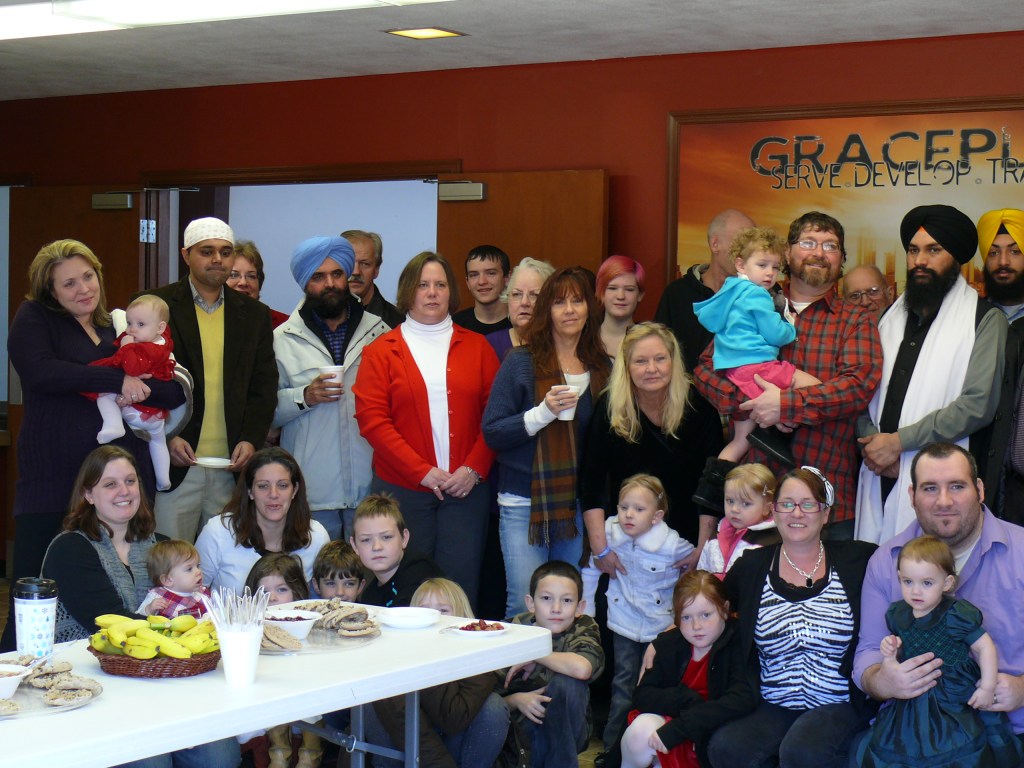
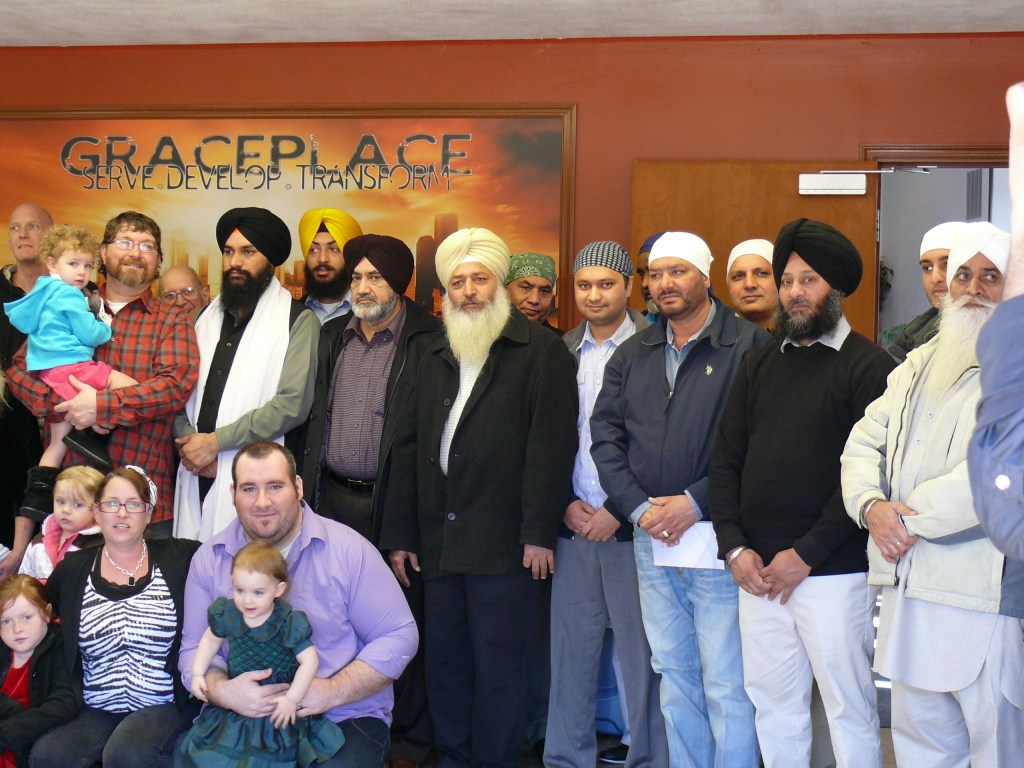
Our church prepared a culturally appropriate dinner for the men of their temple. I was able to sit with about 25 – 30 Sikh men while my church either ordered in, or prepared, and served us while we met. They all reminisced about their homeland as we ate and spoke. I asked the question, “Do you see the liberation of your people, gaining your own province from the hands of India and Pakistan, and returning to that province with your people one day in the future?” Silence, then one of the leaders spoke while looking around at the other men, “We are here now” as they all raised their voices in laughter. They love this country and the opportunity it provides them. Now the relationship was with the priest, the trustees of the temple, and the laymen of their congregation.
In August, 2012, there was a shooting at the Oak Creek Wisconsin Sikh Temple, Wisconsin, where six Sikh persons were gunned down in what was considered a hate crime. Our church met with the Sikh people at their temple and prayed for the dead. In December, 2012, the Sandy Hook Elementary School shooting happened in Connecticut and 26 people were gunned down. The Sikhs returned the sentiment and attended a church service in my Building. I preached John 1, linking Jesus to the Creator God (Unlike the polytheistic religions of India, the Sikhs believe in one god, such as Muslins, but he is unknowable and impersonal. He is the “Good”). After these things Aslam Masih, Director of South Asian Missions at the North American Mission Board heard about the advancement I was making with this seemingly “untouchable” people group from the Punjabi region of India/Pakistan. In 2012, the population of the Sikh people of Punjabi was around 500,000 and the religion itself was only 500 years old. Today (2020) Sikhism has grown and has reached 27 million worldwide. Aslam partnered with me in an awareness campaign called the Sikh Vision Tour (read this article) in my church to try and gain support for this very rare evangelism opportunity. After this, Aslam also invited me to speak at NAMB in Atlanta Georgia for a South East Asian People Groups Awareness Meeting, to which I was the closing speaker.
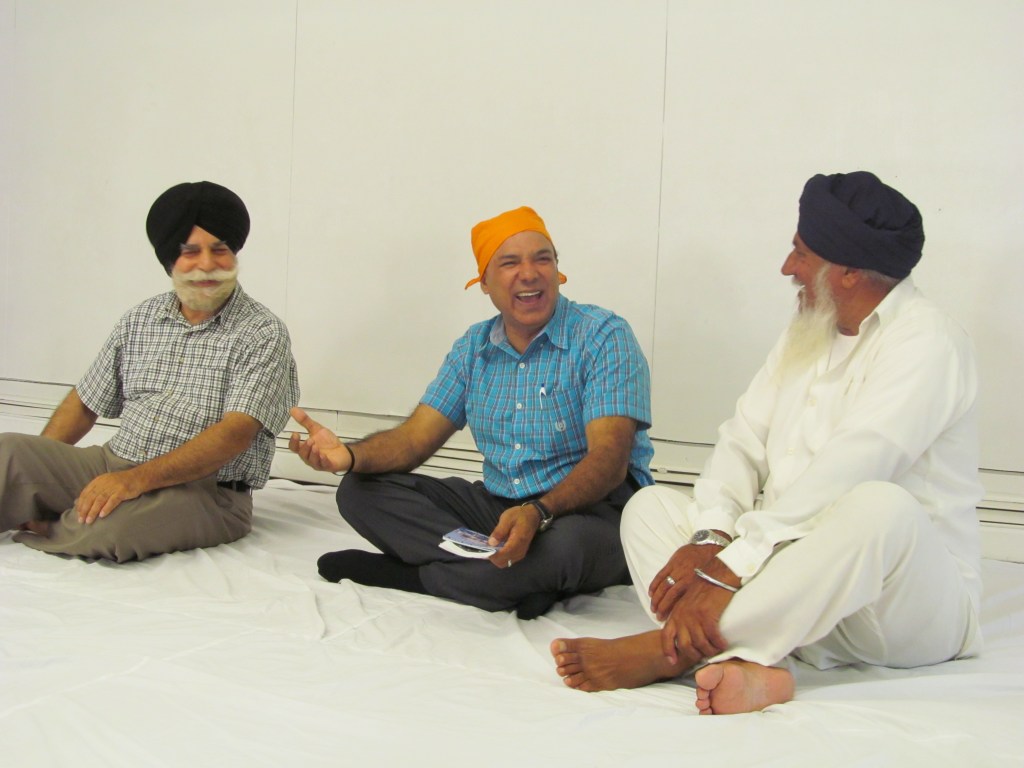
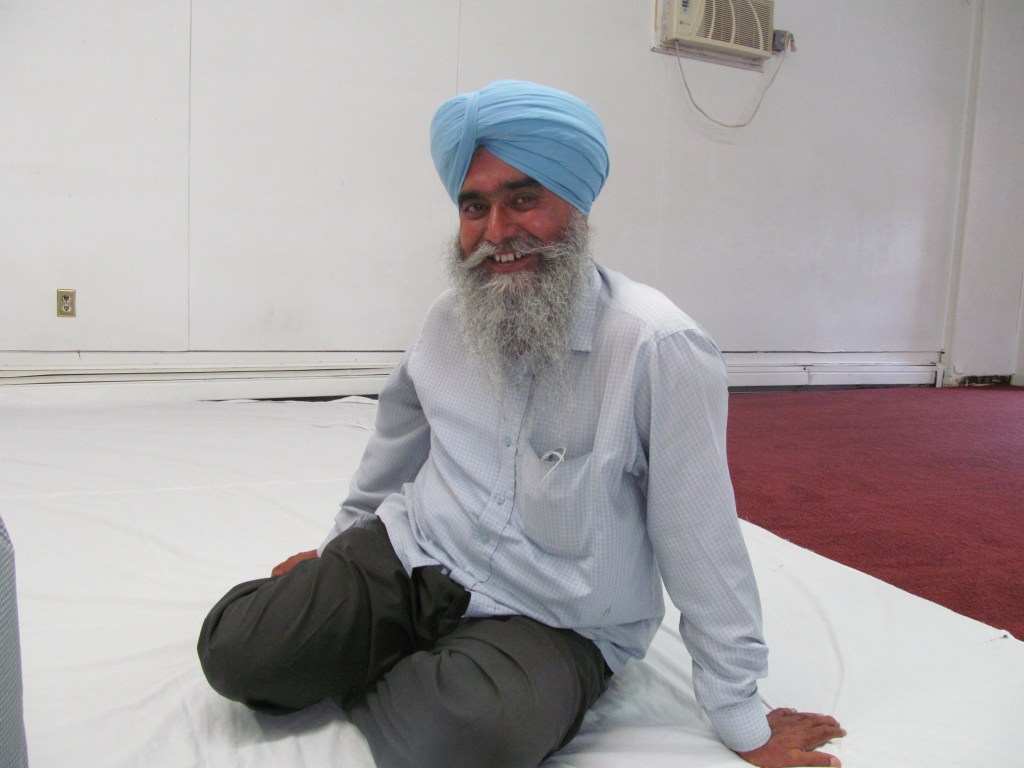
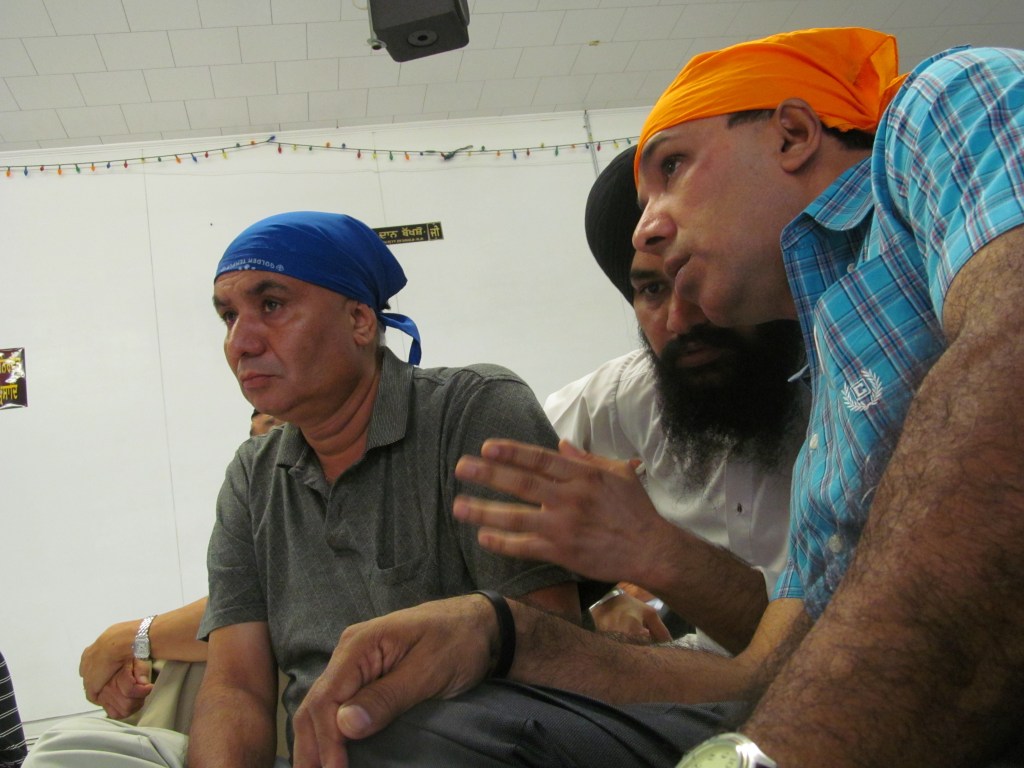
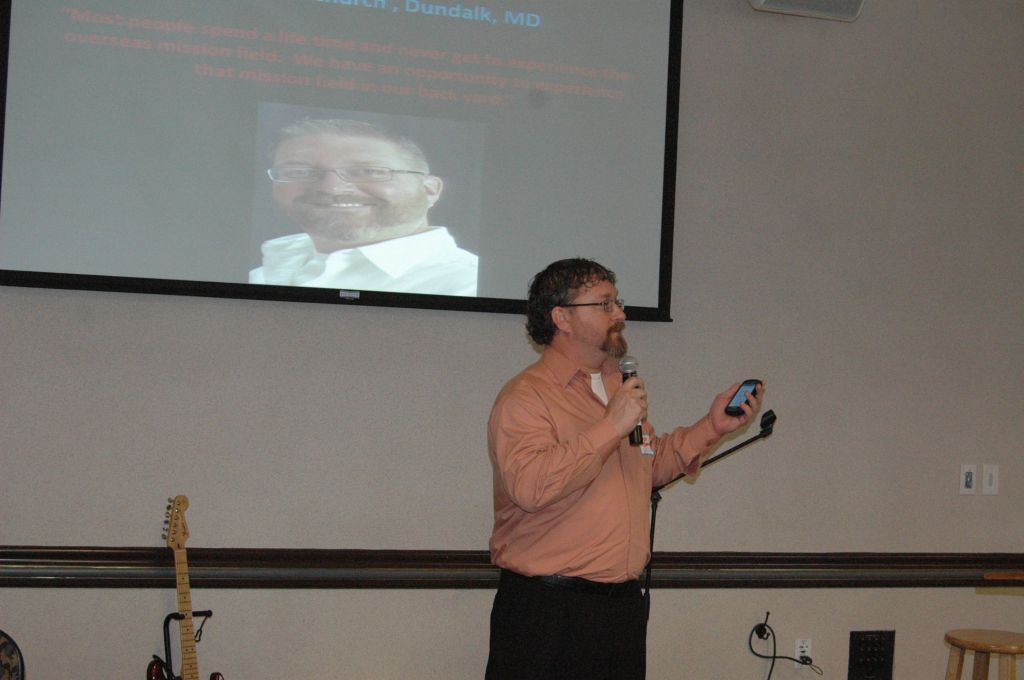
The Sikh people invited me in their Gurdwara anytime, fed me and we enjoyed fellowship. These men did not become my brothers in Christ, but they were my brothers. Unfortunately the BCMD never sponsored or supported this ministry, local partnering Baptist churches never supported this ministry, most of my own congregation didn’t support this ministry, and at the end of 2015 I left and everything went back to normal.
God is opening doors for His church to be warriors and spread the gospel in places most Christians would never go. Become a warrior today. Listen to the Holy Spirit and deliver the Good News to those who would never get the chance otherwise.

 The Truth Project of Salisbury Md.